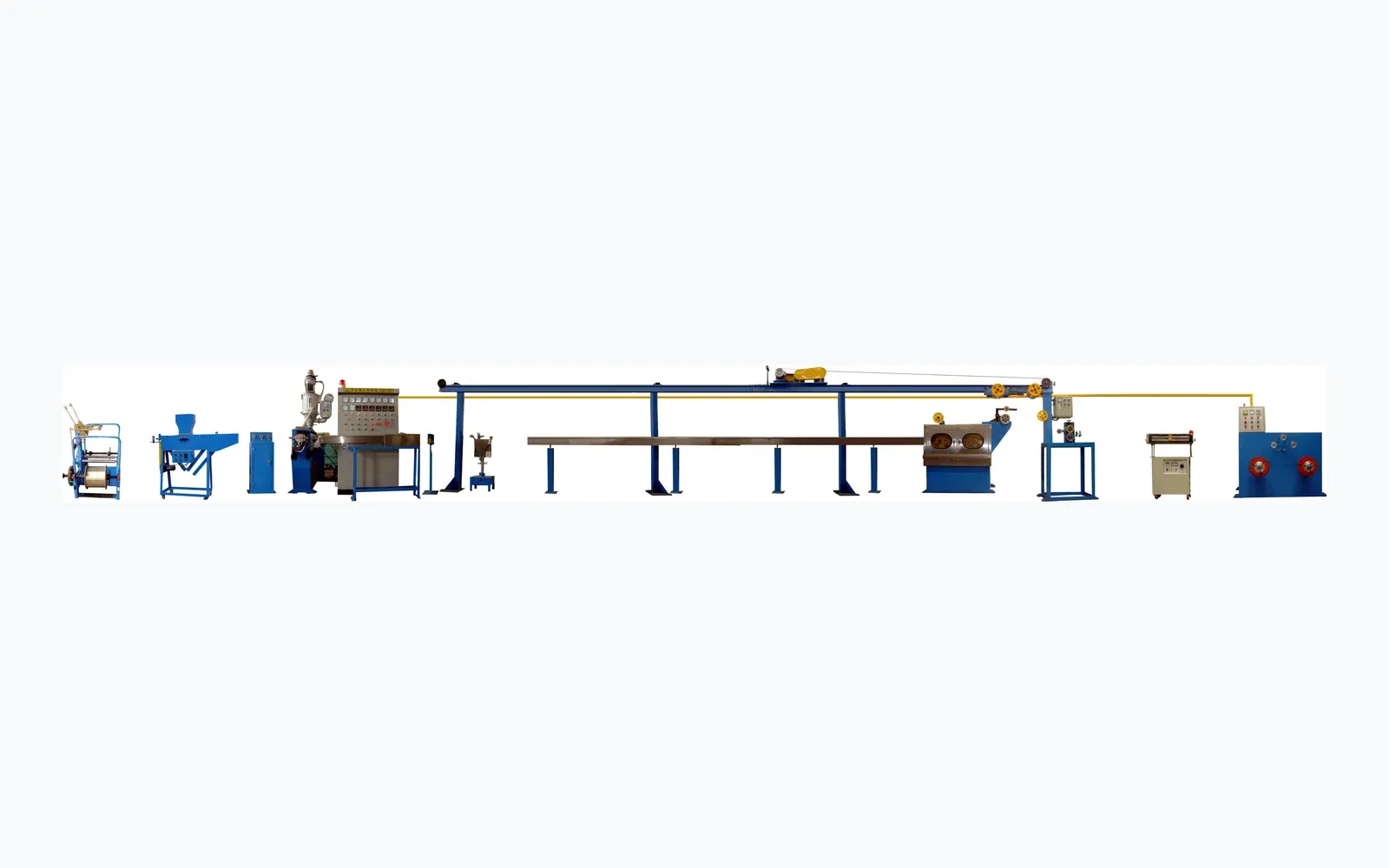
How to Choose Cable Jacket Materials
The jacket is the cable's first line of defence against flame, abrasion, oil and weather. This guide walks through the decision sequence for selecting a sheathing compound.
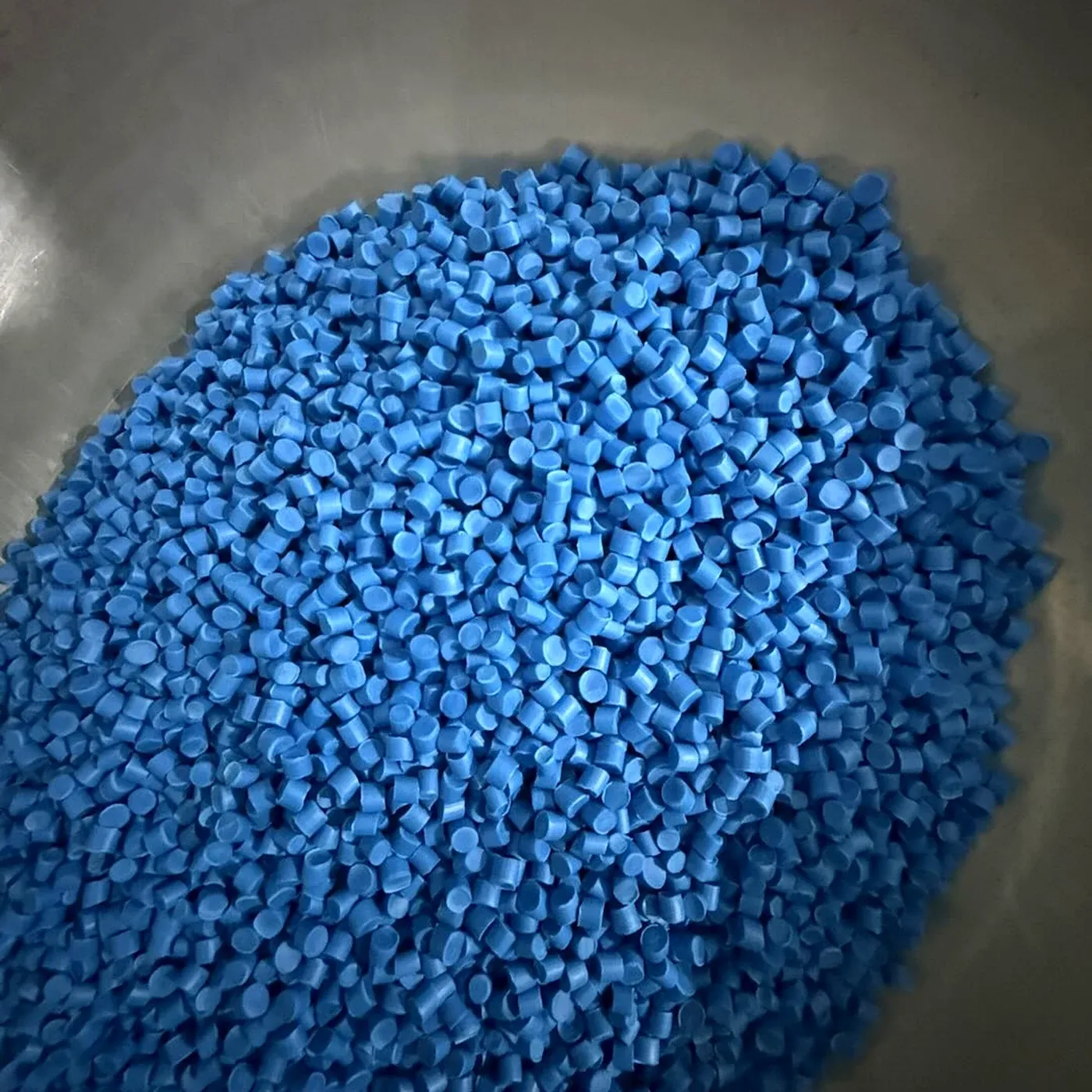
The jacket has a different job from the insulation
The jacket (sheath) does not carry voltage. Its job is mechanical and environmental protection: containing flame spread, resisting abrasion and impact during pulling and service, shrugging off oil, water and UV, and holding the cable’s geometry together. Because of that, jacket selection is driven by the installation environment far more than by electrical properties. The decision sequence below moves from the requirement that is hardest to compromise on, fire safety, to the ones with more room for trade-off.
Step 1 — Fix the fire requirement
If the cable runs through an occupied building, tunnel, ship, train or data centre, the jacket usually has to be low-smoke halogen-free (LSZH). The relevant references are the bundled-cable flame tests, principally IEC 60332-3 (categories A, B and C by fuel loading), and the smoke, acid-gas and toxicity limits that go with an LSZH specification.
HZDFR4100 is a thermoplastic LSZH sheathing compound built for this duty. It is halogen-free with no corrosive gas or heavy metals, has an oxygen index of 38 %, and a well-designed cable using it can pass IEC 60332-3 Category B bundled burning. It is widely used as the outer sheath of marine, power, control, communication, building and instrument cables.
For non-LSZH environments, PVC remains common, but it cannot meet the smoke and acid-gas limits and should not be offered where an LSZH specification is in force.
Step 2 — Fix the flexibility and feel
A fixed installation cable can use a relatively rigid sheath; a drag chain, robot, appliance lead or sealing application needs a soft, resilient material that survives repeated flexing and compression.
This is where thermoplastic vulcanizates (TPV) earn their place. HZD8250 is an extrusion-grade TPV at 75 Shore A with very high elongation at break (640 %), strong tear strength (46 kN/m), excellent compression set recovery, and slip and abrasion resistance. It is halogen-free, RoHS and REACH compliant, recyclable, and brittle only below -50 °C, which makes it a good soft over-sheath or a sealing profile.
Step 3 — Fix the temperature and environmental class
Match the jacket’s continuous rating to the service temperature, and confirm it is compatible with the insulation it covers. A 150 °C cross-linked insulation paired with a 70 °C jacket throws away the cable’s thermal headroom.
For high-temperature sheathing, an irradiation cross-linked polyolefin such as HZD2820-L holds a 150 °C rating, retains 115 % of its tensile strength after 168 hours at 180 °C, and stays flexible with elongation above 400 %. Where oil exposure or outdoor weathering dominates, weight resistance to those agents over raw temperature class.
Jacket material comparison
| Criterion | Thermoplastic LSZH (HZDFR4100) | TPV (HZD8250) | Cross-linked LSZH (HZD2820-L) |
|---|---|---|---|
| Temperature rating | 90 °C | 75 Shore A, to -50 °C brittle | 150 °C |
| Hardness | Shore A 93 | Shore A 75 (soft) | Shore A 91 |
| Cross-linking | None (thermoplastic) | None (thermoplastic vulcanizate) | Electron-beam irradiation |
| Flame reference | IEC 60332-3 Cat B | RoHS/REACH, halogen-free | FT2 (UL1581), 150 °C XLPE |
| Elongation at break | 210 % | 640 % | 412 % |
| Best for | General LSZH sheathing | Flexible, abrasion-resistant over-sheaths and seals | High-temperature sheaths |
| Recyclable | Yes | Yes | No (cross-linked) |
Common mistakes to avoid
- Specifying by colour or hardness alone. A soft jacket is not automatically the right one; flexibility is one of several axes and can conflict with flame performance if chosen in isolation.
- Ignoring temperature compatibility. The jacket should never be the weakest thermal link over the insulation.
- Skipping the bundled-flame distinction. A single-cable flame pass (IEC 60332-1) is not the same as a bundled-cable pass (IEC 60332-3). Confirm which one your customer’s approval requires before committing a compound.
- Treating drying and purging as optional. Thermoplastic grades run cleaner with correct pre-drying, and TPV lines should be purged with PE or PP before and after a run to avoid degradation.
Talk to our engineers
LSZH supplies thermoplastic LSZH sheathing, TPV over-sheathing and high-temperature cross-linked jacket compounds, all halogen-free. If you share the flame standard, service temperature, flex demands and the insulation grade underneath, our engineers can shortlist a jacket, send the technical data sheet, and prepare a sample for your line trials. Get in touch to discuss your sheathing requirement and request a quotation.
Key takeaways
- Select a jacket by fixing fire class first, then flexibility, then environmental resistance (oil, abrasion, weather).
- Thermoplastic LSZH such as HZDFR4100 is a versatile, cost-effective sheath that supports IEC 60332-3 Category B bundled burning.
- TPV grades like HZD8250 give a soft, abrasion-resistant, recyclable over-sheath with excellent compression set recovery.
- Confirm the jacket's temperature class is compatible with the insulation underneath it.
Materials referenced in this guide
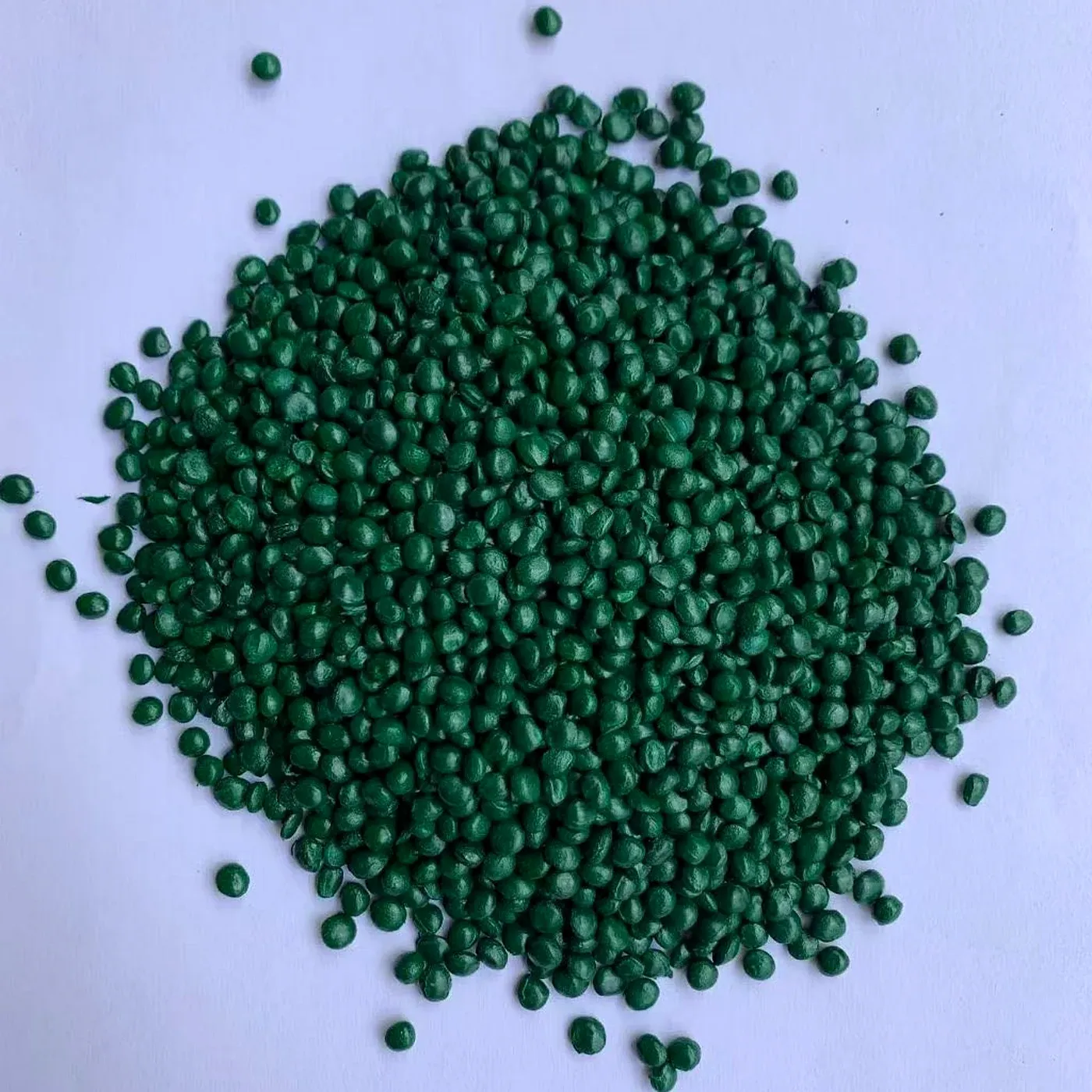
HZDFR4100
Thermoplastic low-smoke halogen-free flame-retardant cable compound
View product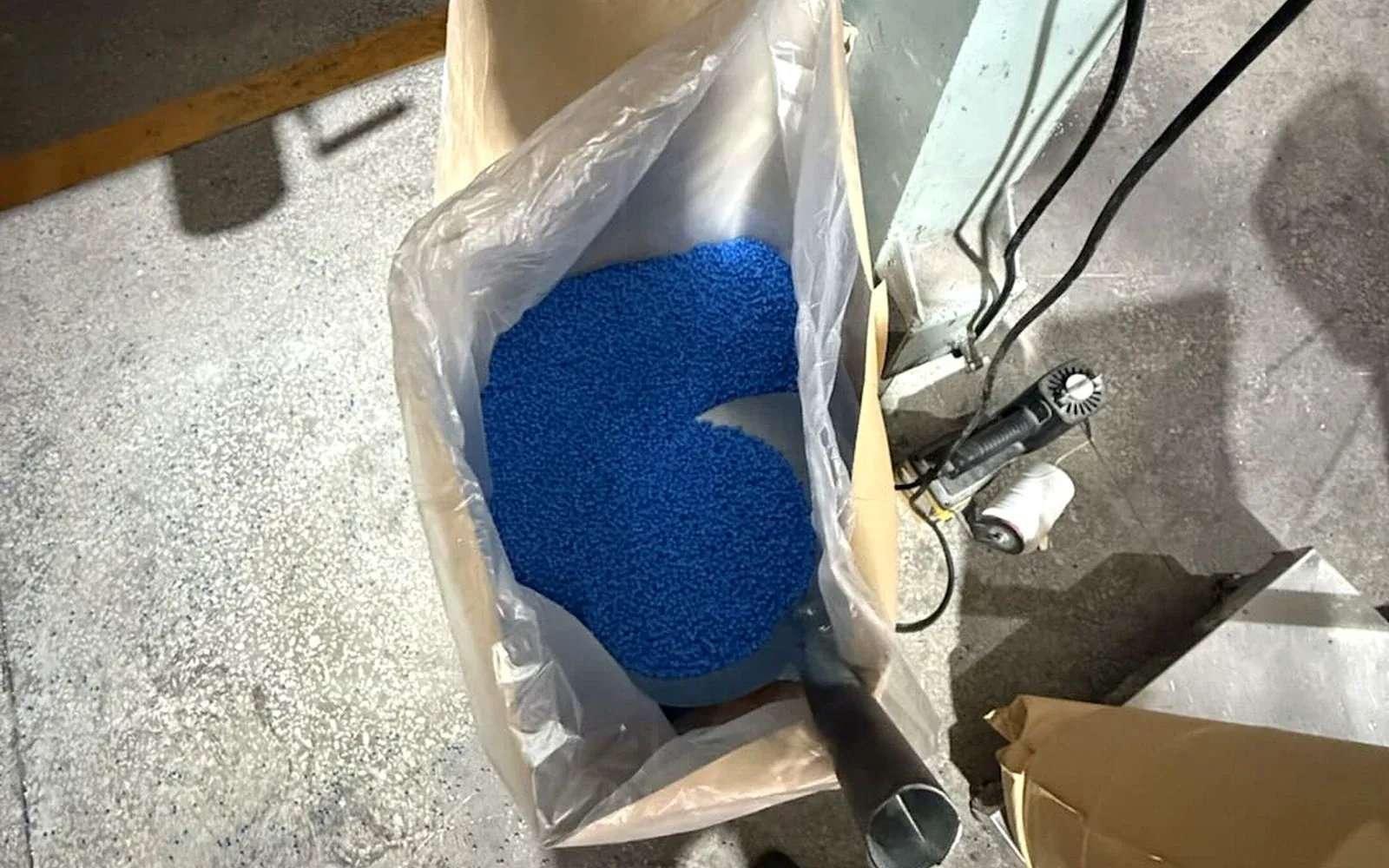
HZD8250 TPV
Extrusion-grade thermoplastic vulcanizate (TPV) for cable jackets and seals
View productHZD2820-L
150 °C low-smoke halogen-free cross-linked polyolefin cable compound
View product