LSZH vs XLPE Cable Compounds: A Material Selection Comparison
LSZH and XLPE are often treated as competing grades, but they describe different properties. This guide separates the two axes so you can specify the right insulation or jacket compound.
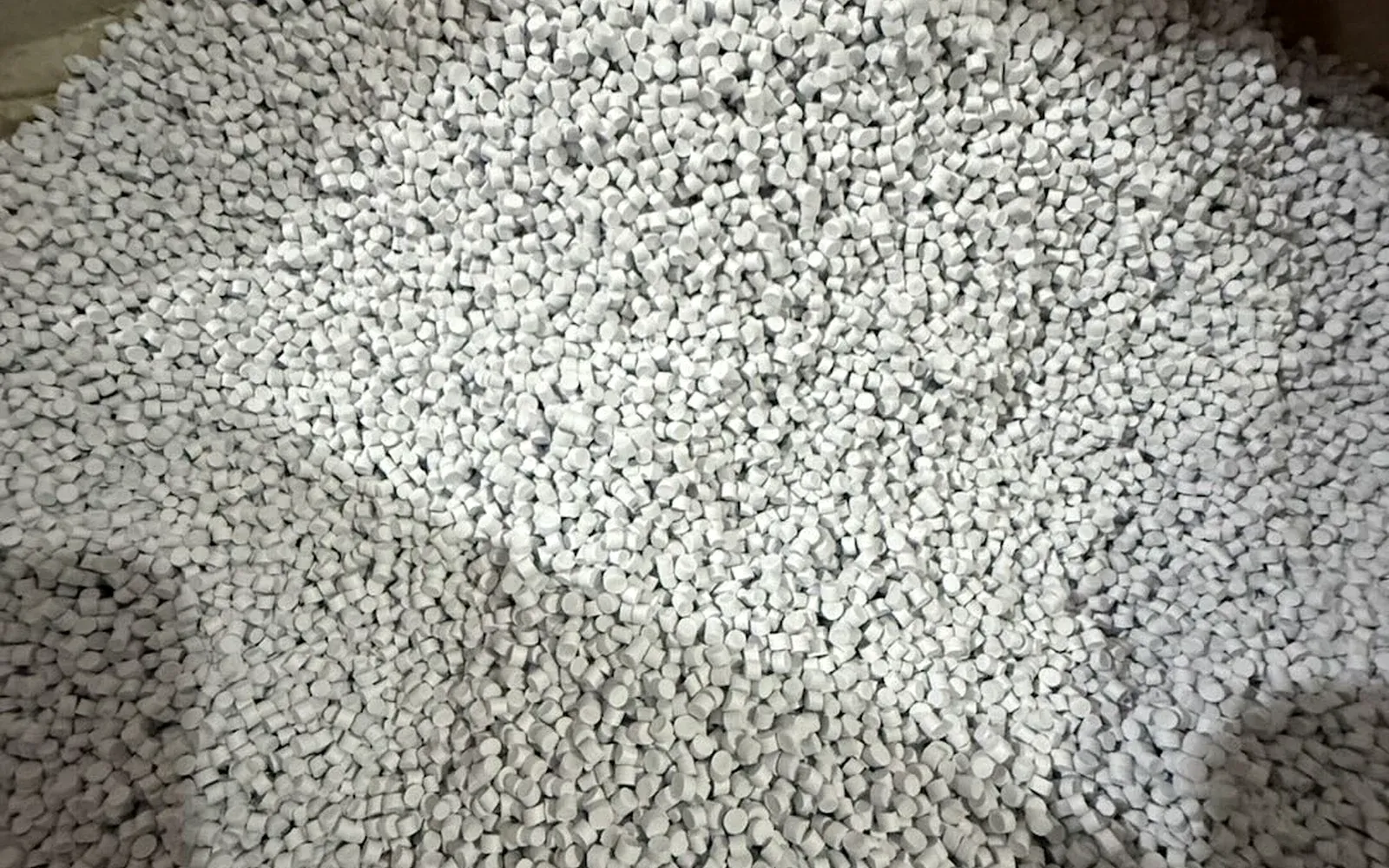
LSZH and XLPE answer different questions
A common specification mistake is to treat “LSZH” and “XLPE” as competing material grades, then ask a supplier for one or the other. They are not alternatives. They describe two different properties of a compound.
LSZH (low-smoke zero-halogen, also written HFFR for halogen-free flame-retardant) describes how a compound behaves in a fire: how much smoke it generates, whether it releases corrosive halogen acid gas, and how toxic the combustion products are.
XLPE / XLPO (cross-linked polyethylene / polyolefin) describes the polymer’s molecular structure after cross-linking, and by extension its continuous temperature rating and its resistance to deformation under heat.
These are independent axes. A compound can be halogen-based and cross-linked (conventional XLPE insulation), halogen-free and thermoplastic (a typical LSZH sheath), or halogen-free and cross-linked at the same time. LSZH’s HZD2720-L is exactly the last case: an irradiation cross-linked polyolefin that is also low-smoke and halogen-free. Knowing which axis your specification is really asking about is the first step toward the right material.
What “LSZH” actually controls
LSZH compounds replace halogenated flame retardants with mineral systems, typically metal hydroxides, so combustion produces water vapour rather than hydrogen halide gas. The metrics that matter are:
- Oxygen index (OI) — the minimum oxygen concentration that sustains combustion. Higher is better. HZD2720-L reaches 29 %; the thermoplastic sheathing grade HZDFR4100 reaches 38 %.
- Smoke density — low smoke keeps escape routes visible. HZD2720-L is 80 / 150 (flaming / non-flaming, GB 8323).
- Halogen acid gas — measured to IEC 60754. A true halogen-free compound emits essentially none, protecting both people and adjacent equipment from acid corrosion.
- Toxicity index — HZD2720-L sits at 2.3 (NES 713), with a near-neutral combustion pH of 6.1.
By contrast, conventional PVC produces dense black smoke and releases hydrogen chloride when it burns. That is the core reason rail, marine, public-building and data-centre projects increasingly mandate LSZH materials regardless of the polymer’s temperature class.
What “XLPE / XLPO” actually controls
Cross-linking ties the polymer chains into a network so the material no longer melts and flows like a thermoplastic. The practical gains are a higher continuous temperature rating, retained shape under heat (deformation resistance), and improved ageing behaviour.
LSZH’s cross-linked grades are processed by electron-beam irradiation after extrusion. HZD2720-L is rated 125 °C; the higher-class HZD2820-L reaches 150 °C and still retains 115 % of its tensile strength after 168 hours at 180 °C. XD2200 is a cross-linkable polyolefin rated 125 °C with a low brittleness temperature below -40 °C and a high volume resistivity of 3.0 × 10¹⁴ Ω·cm.
A thermoplastic LSZH compound such as HZDFR4100 needs no irradiation. It is rated 90 °C, softens at a lower temperature, and is easier and cheaper to run because it removes the cross-linking line entirely. That trade-off, temperature class and deformation resistance versus capital cost and process simplicity, is what the XLPE/XLPO axis is really deciding.
Side-by-side comparison
| Property | Thermoplastic LSZH (HZDFR4100) | Cross-linked LSZH (HZD2720-L) | Conventional PVC (reference) |
|---|---|---|---|
| Polymer base | Thermoplastic polyolefin | Cross-linked polyolefin (XLPO) | PVC |
| Continuous temperature rating | 90 °C | 125 °C | 70 °C typical |
| Cross-linking step | None | Electron-beam irradiation | None |
| Halogen-free | Yes | Yes | No |
| Flame reference | IEC 60332-3 Cat B (bundled) | FT2 (UL1581), UL758/UL1581 125 °C XLPE | varies |
| Oxygen index | 38 % | 29 % | ~25-30 % |
| Smoke / acid gas | Low smoke, no corrosive gas | 80 / 150 smoke, near-neutral | Dense smoke, HCl |
| Deformation under heat | Moderate | High resistance | Low |
| Relative line capex | Lower | Higher (adds irradiation) | Low |
Choosing for your cable
Work the two axes in order. First fix the fire requirement: if the end use is a passenger, marine, telecom or public-occupancy environment, the LSZH axis is effectively mandatory, and you should be comparing oxygen index, smoke and acid-gas figures, not just a flame pass mark. Then fix the thermal and mechanical class: a 70-90 °C building or sheathing application can use a thermoplastic LSZH such as HZDFR4100 and skip the irradiation line, while a 125 °C or 150 °C insulation needs a cross-linked grade like HZD2720-L or HZD2820-L.
If you are sampling materials, do not benchmark a thermoplastic sheath against a cross-linked insulation on tensile strength alone, you will be comparing different jobs. Match each candidate to the layer it is intended for, request the typical-value data sheet, and confirm the flame standard your customer’s approval actually references.
Talk to our engineers
LSZH can supply both thermoplastic and irradiation cross-linked halogen-free compounds, with grades for insulation and for sheathing across the 90-150 °C range. If you tell us the target standard, conductor size and line configuration, our engineers can recommend a starting grade, send the technical data sheet, and arrange a sample for your own trials. Reach out to discuss your project and request a quotation.
Key takeaways
- LSZH describes fire behaviour (smoke, halogen acid gas, toxicity); XLPE/XLPO describes cross-linking and temperature class. They are independent choices.
- A compound can be halogen-free and cross-linked at the same time, as with the 125 °C HZD2720-L irradiation cross-linked polyolefin.
- Thermoplastic LSZH such as HZDFR4100 avoids an irradiation step and lowers line capex, at the cost of a lower 90 °C rating.
- Compare oxygen index, smoke density, halogen acid gas and toxicity index, not just the flame pass/fail line.
Materials referenced in this guide
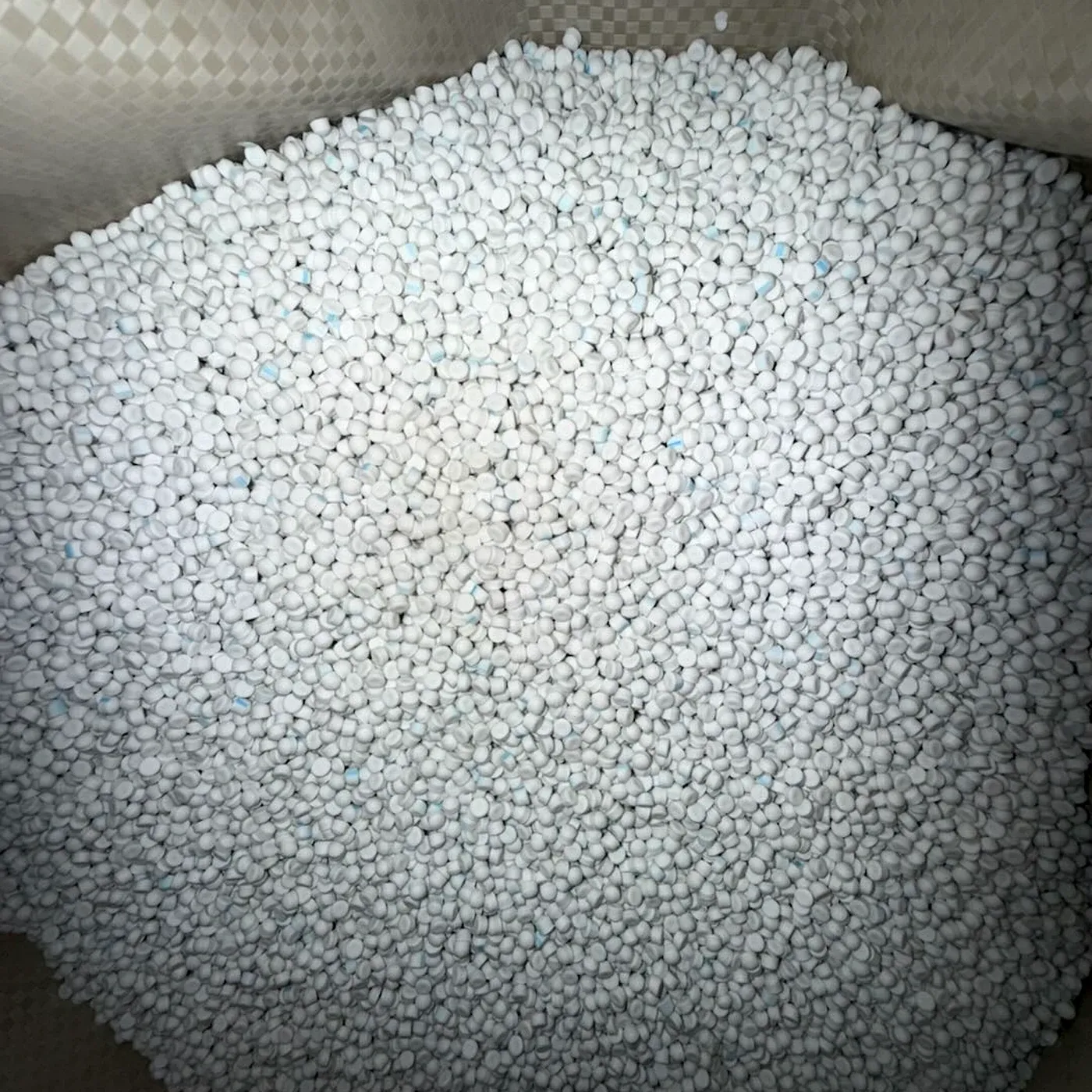
HZD2720-L
125 °C low-smoke halogen-free cross-linked polyolefin cable compound
View product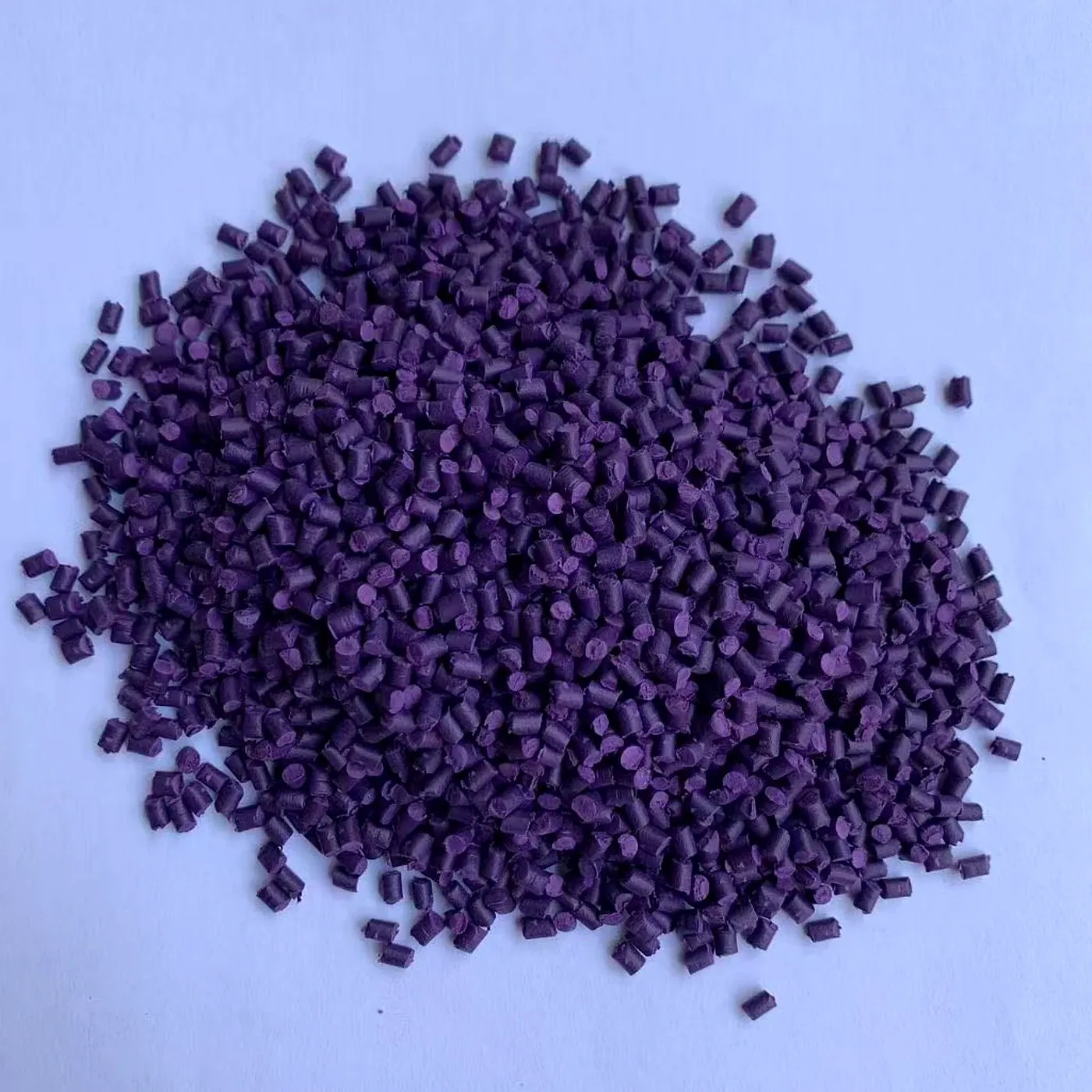
XD2200
125 °C low-smoke halogen-free polyolefin wire compound
View product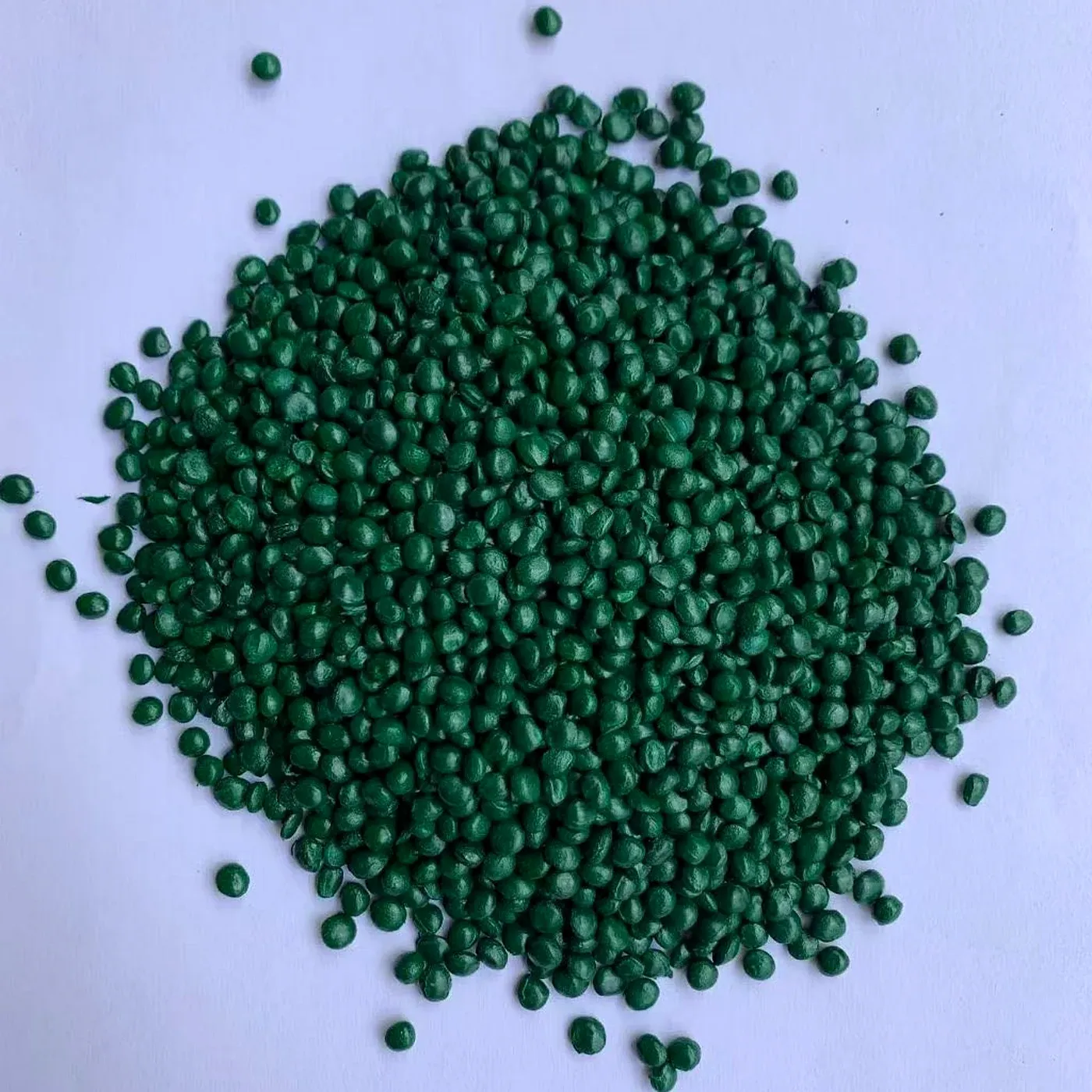
HZDFR4100
Thermoplastic low-smoke halogen-free flame-retardant cable compound
View productWhere this applies
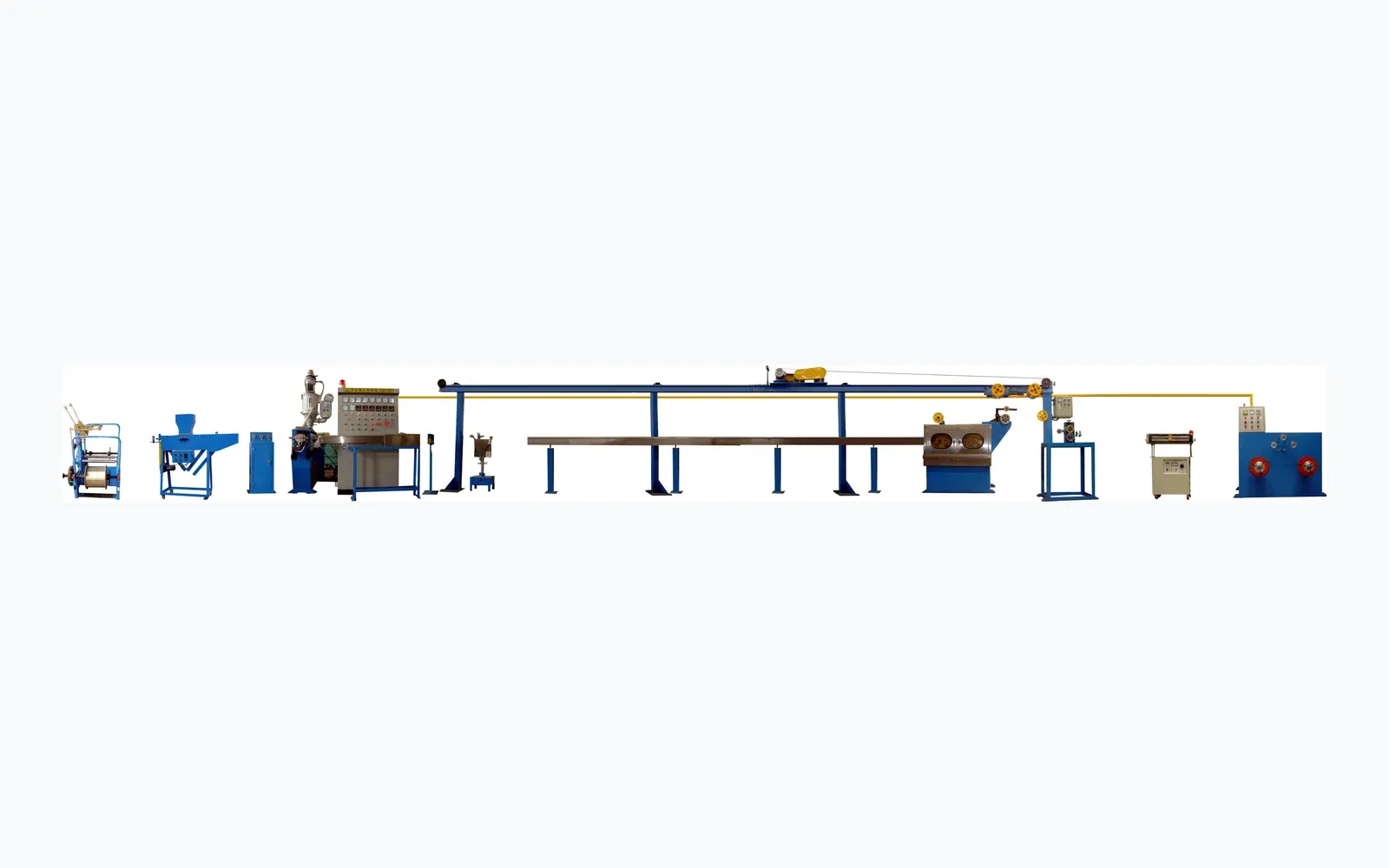
Building Wire
Low-smoke halogen-free, XLPE and PVC insulation compounds with building-wire extrusion lines for safe, code-compliant installation cable.
View solution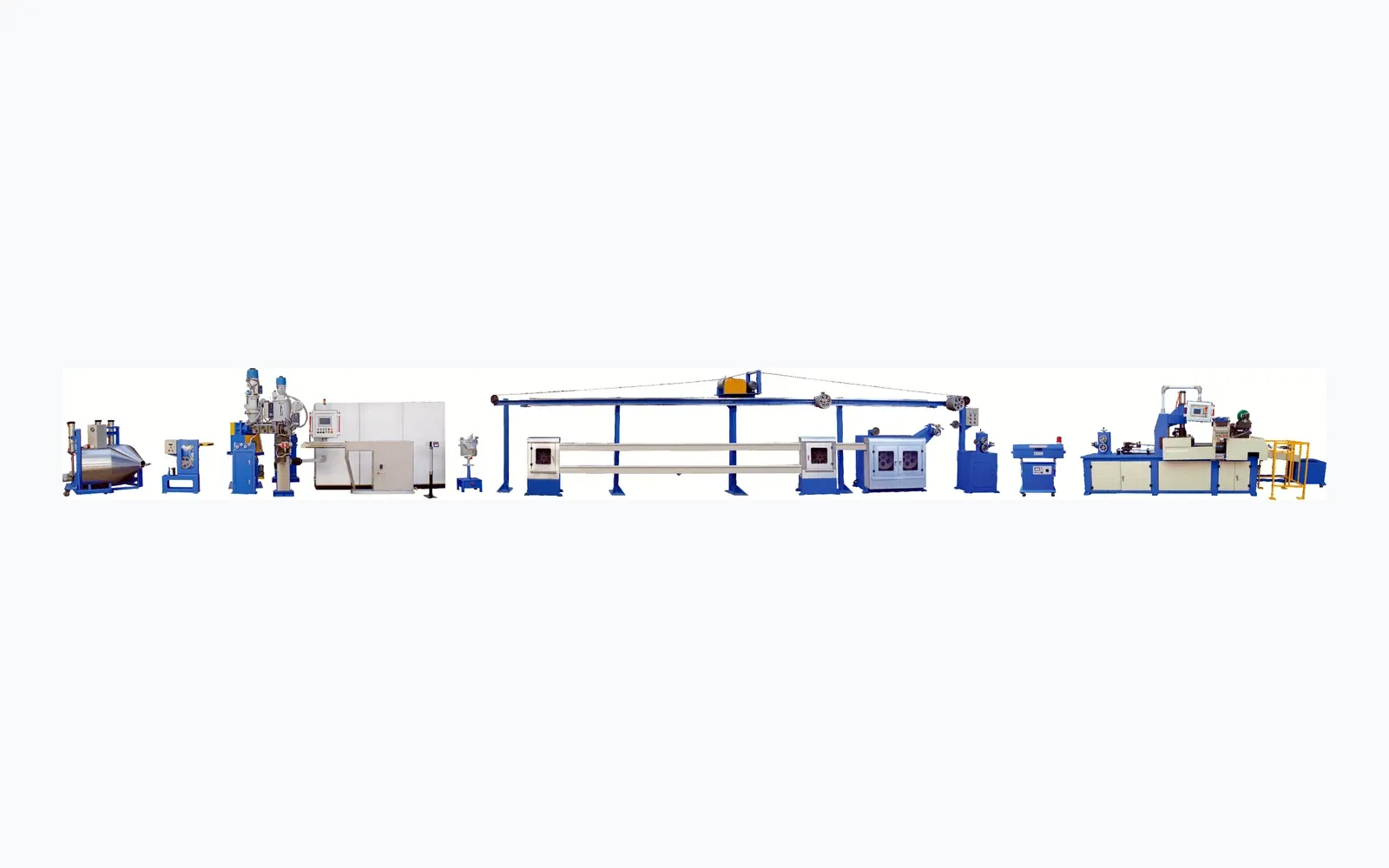
Rail Transit & Marine LSZH Cable
High flame-retardant, low-smoke halogen-free and oil-resistant compounds with sheathing and cabling lines for rail and marine cables.
View solution